

Instagram Facebook YouTube WhatsApp
Home / M.Sc. in Agronomy

M.Sc. in Agronomy

M.Sc. (Master of Science) • Agronomy

M.Sc. (Master of Science) Agronomy at Dehradun

M.Sc. Agronomy is a postgraduate Agriculture course. Agronomy is the application of the various soil and plant sciences to soil management and crop production. Subjects studied under this degree are modern concepts in crop production, physiology of drought, herbicides and crop production, physiological aspect of crop yield, principles of crop nutrition, physiology of crop plants, advanced irrigation agronomy, agricultural research organizations, advanced crop ecology, applied conservation agronomy, arid zone agronomy, cropping and farming systems and agro-meteorology. After passing the course, students have many opportunities in various fields. Pursuing an M.Sc. in Agronomy from institutions in Dehradun provides students with the expertise required to enhance agricultural productivity and promote sustainable practices. Dehradun, with its favorable climate, agricultural diversity, and proximity to renowned research institutes, is an ideal location for students aspiring to excel in agronomy.

Duration: 2 Years
Stream: Science

    Apply Now

    Please fill out the form below to book your session counselling or inquire about available programs.

    By submitting, you agree to be contacted for counselling and admission support.

    How is M.Sc Agronomy Course Beneficial?

    M.Sc Agronomy provides advanced knowledge of crop production, resource management and climate-smart farming practices. After completing the programme, students are eligible for research and teaching opportunities and can appear for national exams such as CSIR-UGC-NET, ARS, ICAR-JRF/SRF and other competitive tests. Graduates can work in public and private-sector research, development and extension, or act as consultants and agronomy experts to agribusiness firms, NGOs and government projects.

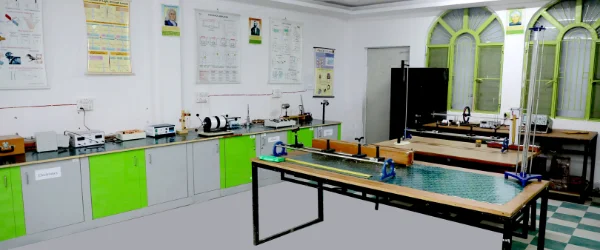
    BSc CBZ DD College Dehradun
    CBZ practical learning laboratories
    Farm Manager

    Oversees planning, cropping pattern, labour, input use and marketing operations on commercial or institutional farms..

    Agronomist

    Provides technical advice on crop management, conducts field trials and helps farmers or companies improve productivity and profitability.

    Research Testing Associate / Research Scientist

    Works in ICAR institutes, universities or private R & D centres to test new varieties, fertilisers, pesticides and technologies under field conditions.

    Subject Matter Specialist (SMS – Agronomy)

    Serves in Krishi Vigyan Kendras (KVKs) and extension agencies, organising trainings, demonstrations and field days for farmers.

    M.Sc. Agronomy Course Fee

    Semester fee and examination fee (as per University norms).

    Semester Fee
    Examination Fee
    ₹30,000
    As per University Norms

    Explore Your Path to Success - Downloads

    Discover all the essential information to kickstart your journey with us. From detailed Fee Structures to easily accessible Admission Forms and our comprehensive Prospectus, we’ve got everything you need to plan your academic future. Click the buttons below to explore and take the first step toward a brighter tomorrow!

    Eligibility Criteria for M.Sc. Agronomy

    Aspiring students should have completed B.Sc. (Agriculture) or an equivalent degree recognised by the University with at least 50% marks in aggregate (as per university norms). A basic understanding of crop science, soil science and farm management at the UG level helps students follow the advanced agronomy curriculum comfortably.

    Modern Concepts in Crop Production

    Covers recent ideas in crop planning, input management, precision farming and sustainable intensification to achieve higher yields with better resource use.

    Principles and Practices of Weed Management

    Deals with identification of weeds, their ecology, economic losses and chemical, cultural and biological methods of weed control.

    Principles and Practices of Water Management

    Explains irrigation scheduling, water-use efficiency, irrigation methods and drainage for different crops and soils.

    Agronomy of Cereal Crops-I (Rice)

    Detailed production technology of rice including varieties, nursery management, transplanting, water, nutrient and pest management.cientific projects.

    Agronomy of Fibre Crops

    Production technology of cotton, jute and other fibre crops including varietal choice, nutrient, water and pest management.

    Agronomy of Sugar Crops

    Focuses on sugarcane and other sugar crops, covering planting methods, ratoon management and harvesting for maximum recovery.

    Frequently Asked Questions

    Important course questions about duration, eligibility, curriculum, practicals, and careers.

    What is the duration of the M.Sc. in Agronomy program?

    The M.Sc. in Agronomy is a 2-year postgraduate program, divided into four semesters. The program provides advanced knowledge in crop management, soil science, and sustainable agricultural practices.

    To be eligible for the M.Sc. in Agronomy program, candidates must:

    • Hold a Bachelor’s degree in Agriculture, Horticulture, or a related field (such as B.Sc. Agriculture).
    • Achieve a minimum of 50-55% marks in their undergraduate degree, although this may vary depending on the institution.
       

    The curriculum for M.Sc. in Agronomy includes a wide range of subjects focusing on advanced agricultural techniques and crop science. Key topics include:

    • Crop Physiology
    • Soil Fertility and Nutrient Management
    • Plant Breeding and Genetics
    • Weed Management
    • Agro-meteorology
    • Crop Production Technology
    • Water Management in Agriculture
    • Sustainable Agricultural Practices
    • Integrated Farming Systems
    • Research Methodology in Agronomy

    In addition, students will be involved in practical training, fieldwork, and research projects.

    Graduates of the M.Sc. in Agronomy program have diverse career opportunities, including:

    • Agronomist in agricultural firms or government agencies
    • Crop Consultant
    • Soil Scientist
    • Farm Manager
    • Agricultural Research Scientist
    • Extension Officer
    • Agricultural Officer in government departments
    • Teaching and Academic Positions in universities and agricultural colleges
    • Consultant in agribusinesses, NGOs, or international organizations working in agriculturea
       

    The M.Sc. in Agronomy program offers ample opportunities for research in areas such as:

    • Sustainable Farming Practices
    • Soil Fertility and Crop Nutrition
    • Water Conservation Techniques
    • Climate Change Impact on Agriculture
    • Crop Improvement and Breeding
    • Pest and Disease Management
    APPLY NOW