

Instagram Facebook YouTube WhatsApp
Home / M.Sc. in Horticulture

M.Sc. in Horticulture

M.Sc. (Master of Science) • Horticulture

M.Sc. (Master of Science) Horticulture College in Dehradun

The Master of Science (M.Sc.) in Horticulture is a specialized postgraduate program designed to provide advanced knowledge and hands-on training in the science of growing fruits, vegetables, flowers, and ornamental plants. With the increasing demand for sustainable agriculture, organic farming, and improved crop production, horticulture has become a vital field in modern agricultural practices. Dehradun, known for its natural beauty and rich agricultural landscape, is home to some of the top institutions offering M.Sc. in Horticulture. The city’s unique climate and proximity to research institutes provide students with the perfect environment for learning and research in horticulture. The M.Sc Horticulture course enables the students to connect to the farmers and learn effective crop management. This course aims at providing in-depth lessons on crop management to enhance the production rate and quality.

Duration: 2 Years
Stream: Science

    Apply Now

    Please fill out the form below to book your session counselling or inquire about available programs.

    By submitting, you agree to be contacted for counselling and admission support.

    Scope and job Opportunities

    M.Sc Horticulture graduates can build careers in government departments, research organisations and private industry. The degree opens opportunities in crop production, input supply, processing, landscaping, export and consultancy services in India and abroad.

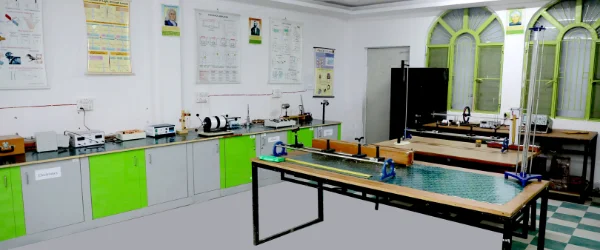
    BSc CBZ DD College Dehradun
    CBZ practical learning laboratories
    Horticulture Officer / Agriculture Officer

    Work in state agriculture/horticulture departments to promote improved varieties, schemes and technologies among farmers.

    Research Scientist / JRF / SRF

    Join ICAR institutes, universities or private R & D centres for research on fruits, vegetables, flowers and plantation crops.

    Plantation & Orchard Manager

    Manage large fruit and plantation estates, scheduling operations, labour and marketing for profitable production.

    Quality Control & Export Manager

    Ensure quality standards, certifications and export documentation for fresh and processed fruits, vegetables and flowers.

    M.Sc. Horticulture Course Fee

    Semester fee and examination fee (as per University norms).

    Semester Fee
    Examination Fee
    ₹ 32500
    As per University Norms

    Explore Your Path to Success - Downloads

    Discover all the essential information to kickstart your journey with us. From detailed Fee Structures to easily accessible Admission Forms and our comprehensive Prospectus, we’ve got everything you need to plan your academic future. Click the buttons below to explore and take the first step toward a brighter tomorrow!

    Subjects in M.Sc Horticulture

    M.Sc Horticulture covers core and applied subjects that build strong knowledge of fruit, vegetable, flower and plantation crops along with soil, input management and marketing skills.

    Plant Biochemistry

    Study of chemical processes in plants, including enzymes, pigments, carbohydrates, proteins and lipids essential for growth and metabolism.

    Plant Microbiology

    Explores beneficial and harmful microorganisms associated with plants, such as bacteria, fungi and viruses, and their role in soil health and diseases.

    Biotechnology

    Use of tissue culture, molecular markers and genetic engineering tools to improve crop yield, quality and resistance to stresses.ogramming skills.

    Plant Physiology

    Understands how plants function—photosynthesis, respiration, water relations, growth regulators and stress physiology.

    Molecular Biology

    Focus on DNA, RNA, gene expression and molecular techniques used for crop improvement and diagnostics.

    Plant Genetics

    Principles of inheritance, variation and breeding methods used to develop superior horticultural varieties.

    Frequently Asked Questions

    Important course questions about duration, eligibility, curriculum, practicals, and careers.

    What specializations are offered in the M.Sc. in Horticulture program?

    Some colleges may offer specializations within the M.Sc. in Horticulture program, such as:

    • Pomology (study of fruits)
    • Olericulture (study of vegetables)
    • Floriculture (study of flowers and ornamental plants)
    • Post-Harvest Technology
    • Plant Pathology
    • Landscape Horticulture
    • Horticultural Biotechnology
       

    Yes, after completing an M.Sc. in Horticulture, you can pursue a Ph.D. in Horticulture or a related field. A Ph.D. allows you to engage in advanced research and is essential for academic positions, research roles, and higher-level positions in agricultural and horticultural industries.

    There is a growing demand for horticulturists in sectors like:

    • Agriculture and food production
    • Horticulture and landscaping businesses
    • Research and development in agricultural biotechnology
    • Export and import of horticultural products
    • Government agriculture departments
    • Horticultural extension services
       

    Admission to the M.Sc. in Horticulture program generally requires:

    • A Bachelor’s degree in Horticulture, Agriculture, or a related field.
    • A minimum percentage of 50-55% in the undergraduate degree, depending on the college.
    • Some colleges may also require an entrance exam or an interview for admission.

    The M.Sc. in Horticulture program offers extensive research opportunities in areas such as:

    • Plant Breeding and Genetics
    • Post-Harvest Technology
    • Pest and Disease Management
    • Organic and Sustainable Farming
    • Biotechnology in Horticulture
    • Protected Cultivation and Greenhouse Technology
    APPLY NOW