
Instagram Facebook YouTube WhatsApp
Home / M.Sc. in Chemistry

M.Sc. in Chemistry

M.Sc. (Master of Science) • Chemistry

M.Sc. (Master of Science) Chemistry In Dehradun

A college which has given excellent results in the field of M.Sc Chemistry.
M.Sc. in Chemistry is a post-graduate degree. It is a two years course with four semesters. Students can pursue this course after completing their graduation (B.sc degree). In our MSc, you’ll have the freedom to choose a specialization from any of the streams- organic, inorganic and physical chemistry. All the three streams have advanced syllabus containing current topics ranges from metals in medicine, enzyme catalysis and green chemistry, to graph theory and quantum chemistry, to polymer architectures and nanochemistry. In the lab, you have opportunities to develop advanced research aptitude and underlying practical skills. You will also get a chance to research the form of dissertation (It is optional on your interest) which will help you to interpret and evaluate scientific literature, and communicate scientific topics in presentations and posters.

Duration: 3 Years
Stream: Science

    Apply Now

    Please fill out the form below to book your session counselling or inquire about available programs.

    By submitting, you agree to be contacted for counselling and admission support.

    Scope and Importance of M.Sc. Chemistry

    A postgraduate student has numerous higher study options. They can appear for CSIR-UGC-NET/ GATE exam and directly get admissions in Ph.D. programs across the country upon qualification. They can also join research courses related to the topic of interest.
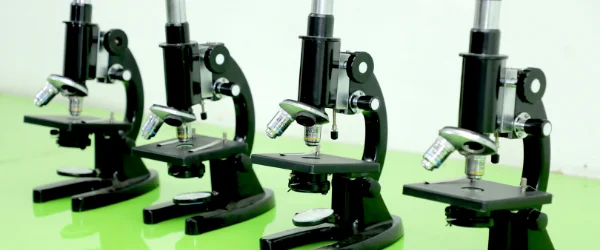
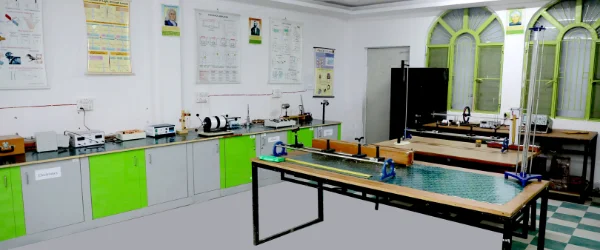
    BSc CBZ DD College Dehradun
    CBZ practical learning laboratories
    Numerous Higher Study Options

    After completing M.Sc. in Chemistry, students have many choices to continue their education through advanced and research-oriented programmes.

    CSIR-UGC-NET / GATE for Ph.D. Admission

    DPostgraduates can appear for CSIR-UGC-NET or GATE. On qualifying these exams, they can directly secure admission to Ph.D. programmes in universities and institutes across the country.

    Research Courses in Area of Interest

    Students may also join specialised research courses related to their preferred field of chemistry, allowing them to gain deeper knowledge and lab experience.

    M.Phil in Chemistry Specialisations

    Higher studies can include M.Phil in areas such as Applied Chemistry, Basic Chemistry and Analytical Chemistry, focusing on advanced theory and research skills.

    M.Sc. Chemistry Course Fee

    Semester fee and examination fee (as per University norms).

    Semester Fee
    Examination Fee
    ₹ 22500
    As per University Norms

    Explore Your Path to Success - Downloads

    Discover all the essential information to kickstart your journey with us. From detailed Fee Structures to easily accessible Admission Forms and our comprehensive Prospectus, we’ve got everything you need to plan your academic future. Click the buttons below to explore and take the first step toward a brighter tomorrow!

    Career Scope after M.Sc. in Chemistry

    After M.Sc. in Chemistry, students can work in chemical, pharmaceutical, petrochemical and polymer industries in roles related to production, quality control and research. They can also pursue research positions in leading organisations such as BARC, ISRO and other national laboratories.

    Research Positions in Top Organisations

    Students can opt for research study and scientist roles in reputed organisations such as BARC, ISRO and other national laboratories, contributing to advanced scientific projects.

    Opportunities in Core Chemical Industries

    In every specialisation, M.Sc. Chemistry graduates find roles in chemical, medicine, petrochemical and polymer industries, working in production, quality control and R and D.

    IT and Software IndustryGovernment Sector Jobs

    There are strong government job opportunities for M.Sc. Chemistry postgraduates in public sector units, research institutes and regulatory bodies.

    Private Sector and Corporate Roles

    In the private sector, graduates can work with pharma companies, manufacturing units, testing laboratories and consulting firms in various capacities.

    Technical and Non-Technical Posts

    Depending on interest and skills, they can take up technical roles (R and D chemist, analyst, QC/QA officer) as well as non-technical roles (management, sales, documentation, education) across different organisations.

    M.Sc. Chemistry

    Various job profiles available for graduates in M.Sc. Chemistry are:

    • Analytical / Lab / Production Chemist
    • Teacher
    • Research & Development Manager
    • Chemical Engineering Associate
    • Bio-medical Chemist
    • Industrial Research Scientist
    • Materials Technologist
    • Quality Controller
    • Production Officer
    • Safety, Health and Environment Specialist
    • Educational Institutes
    • Independent Laboratories
    • Environmental Law
    • Patent Law Firms
    • Forensic Science Department

    Frequently Asked Questions

    Important course questions about duration, eligibility, curriculum, practicals, and careers.

    What research opportunities are available in the M.Sc. in Chemistry program?

    The M.Sc. in Chemistry program provides numerous research opportunities. Students can engage in:

    • Independent research projects.
    • Research collaborations with faculty members.
    • Internships at research institutions or industries.
    • Participation in conferences, seminars, and workshops on various topics in chemistry.
    • Students may also be required to complete a research-based dissertation during their final semester, which helps them gain experience in scientific research.

    Most colleges offering an M.Sc. in Chemistry program provide well-equipped laboratories for hands-on learning in:

    • Organic Chemistry labs
    • Inorganic Chemistry labs
    • Physical Chemistry labs
    • Analytical Chemistry labs
    • Instrumental labs (with spectrometers, chromatographs, etc.)

    These labs are crucial for performing experiments and carrying out research.

    The M.Sc. in Chemistry program provides numerous research opportunities. Students can engage in:

    • Independent research projects.
    • Research collaborations with faculty members.
    • Internships at research institutions or industries.
    • Participation in conferences, seminars, and workshops on various topics in chemistry.
    • Students may also be required to complete a research-based dissertation during their final semester, which helps them gain experience in scientific research.

    Yes, after completing the M.Sc. in Chemistry, graduates can pursue a career in teaching at the college or university level. You can also pursue a B.Ed. to teach at the school level. Qualifying the NET (National Eligibility Test) can further open opportunities for lectureship roles at universities.

    The M.Sc. in Chemistry program helps students develop several valuable skills, including:

    • Critical thinking and analytical skills.
    • Laboratory techniques and scientific research methods.
    • Problem-solving in chemical processes.
    • Data analysis and interpretation.
    • Technical writing for scientific papers and reports.
    • Project management for conducting research.

    These skills are applicable in both academia and industry roles.

    APPLY NOW